
Queensland is a fantastic part of the country to explore rural property, with a huge diversity of rural landscapes to consider and so many small towns with unique charm dotted across the state. There is no shortage of reasons to consider rural property, including space, lifestyle, and farming potential, but there are also some unique legal and practical considerations that are worth considering when you start on this journey.
Why is rural property different from other kinds of real estate?
Buying rural property in Queensland is a different experience compared to purchasing in town or suburban areas, so even if you do have experience with real estate, you are likely to encounter some new things when buying rural property QLD. Some of the key differences include:
Larger Land Sizes
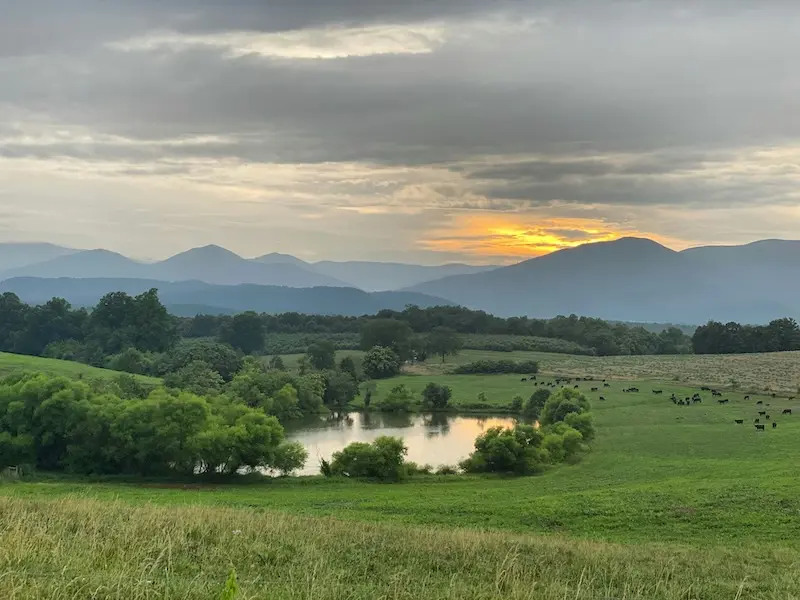
Rural properties often span from a few acres to hundreds of hectares. With more land comes more responsibility, and things like fencing, access, maintenance, and understanding boundary lines becomes critical.
Mixed Zoning and Land Use
Unlike urban residential zones, rural land can be subject to a mix of zoning categories, such as Rural, Rural Residential, Agricultural, or Conservation. These zoning rules impact how the land can be used, whether for farming, livestock, building homes, or other activities. An experienced Queensland rural property conveyancer can be extremely helpful in making sure that you understand these land use rules and are pursuing a property that is the right fit for your goals and investment from a legal standpoint.
Agricultural Use Considerations
Many rural properties are suited for, or historically used for, agricultural purposes such as cattle grazing, cropping, or horticulture. Even if you plan to use the land for lifestyle purposes only, understanding its agricultural history, soil quality, and water rights is essential.
Infrastructure and Services
Urban buyers often take for granted services like town water, sewerage, high-speed internet, or road maintenance. Rural blocks may lack these services, or require private alternatives like tanks, bores, septic systems, and generators.
Legal Complexity
Rural purchases often involve additional legal checks, such as water licences, easements for access or utilities, biosecurity responsibilities, and land management obligations that don’t typically arise in suburban transactions.
Common rural property types in Queensland
Whether you’re dreaming of wide-open spaces or investing in working land, rural property in Queensland generally falls into these categories:
Lifestyle Blocks
If you are seeking a more low-maintenance rural lifestyle, then buying a lifestyle block might be the right choice for you. These are generally smaller acreage properties without the capability of large-scale farming. They might have a home built already or might be vacant land that you can build on, but either way they are generally used for personal enjoyment like gardens, animals, small hobby farms. Lifestyle blocks are still subject to zoning rules and may have infrastructure limitations that will be outlined in the legal documentation that you will review with the help of rural property legal advice Queensland.
Farms (Cattle, Crops, Horticulture)
For a larger scale farming operation, you are going to need more land, but there is much more to it than that. Buying land for farming requires thorough legal checks around water rights, soil quality, existing infrastructure, and biosecurity obligations. You may also be buying into existing farming business operations. This type of farm property purchase Queensland can get legally complex, meaning that experienced legal support is essential through the conveyancing process to ensure your interests are protected and you go into the purchase fully informed about the specifics of the property.
Acreage for Development or Hobby Farming
If you are looking to have a complete blank slate that allows you to build and develop exactly what your unique vision is, then vacant land is the way to go. Vacant acreage property purchase QLD can be a more complicated endeavour, especially when development is the goal because of things like zoning, access, and restrictions. Having experienced Queensland conveyancing services on your side throughout the transaction will help you navigate these complications with ease, ensuring that the acreage you purchase will suit your needs and that the process of getting there is straightforward and simple.

The importance of due diligence
Rural property purchases demand extra attention to detail. Here’s why due diligence is critical. Unlike standard residential transactions, rural properties often come with unique complexities such as mixed zoning, land use restrictions, water rights, and access issues. Boundaries may not always be clearly defined, and infrastructure like roads, boundary fences, or utilities can vary significantly. A rural property conveyancing Queensland team who are experienced in rural transactions can help you navigate these risks by thoroughly reviewing contracts, investigating title details, checking for easements, and ensuring compliance with council and environmental regulations. Their expertise provides peace of mind and can help you avoid costly surprises down the track.
Boundaries:
- Boundary fences may not align with legal lot boundaries
- Always confirm boundaries with a professional survey if in doubt
- Avoid future disputes with neighbours over land encroachments
Water Access:
- Town water is rarely available on rural properties
- Water may come from bores, dams, rainwater tanks, or nearby creeks
- Water licences or permits may apply, especially for agricultural or commercial water use
- Your conveyancer can help verify water rights are legally secure
Infrastructure:
- Check existing infrastructure; power connection, septic systems, road access, fencing, sheds
- Remote properties may require off-grid solutions
- Council approvals are essential for any existing structures
Common risks with rural purchases
Rural properties can come with extra challenges and hidden risks. Here are some of the most common issues to be aware of:
Unapproved Structures
Many rural properties have sheds, dams, outbuildings, or even homes built without proper council approval. These can lead to compliance problems, costly rectifications, or limitations on insuring or using those structures legally.
Incorrect Assumptions About Land Use
Just because a property looks suitable for farming, livestock, or building doesn’t mean those activities are allowed. Council zoning, environmental overlays, or protected vegetation rules may restrict what you can actually do with the land.
Poor Access or Easement Disputes
Some rural properties have shared access roads, unsealed tracks, or no formed legal access at all. Easements for utilities or shared driveways can also cause disputes with neighbours if not properly understood or documented.
Hidden Costs of Ownership
Rural properties often involve additional, ongoing expenses that buyers overlook, such as:
- Land maintenance (fencing, grading tracks, clearing vegetation)
- Pest and weed control
- Higher insurance premiums, especially for properties with remote access, bushfire risks, or unapproved structures
A conveyancer experienced in rural transactions can help uncover these risks early, so you’re not caught off guard after settlement. Your trusted conveyancer will be able to recommend a the best building and pest inspector to ensure you don’t get caught out when making your rural purchase.
How we help you buy rural property
Buying rural property is very different from purchasing a house in town. There are often more complexities, hidden risks, and legal considerations involved. At Bush to Beach Legal, we have a wealth of experience helping our clients with rural property and buying land in Queensland. We guide you through the process, helping you avoid costly surprises and making sure you know exactly what you’re buying.
We assist with thorough checks across key areas, including:
Title and Boundaries
We conduct thorough title searches to confirm the legal ownership structure, whether it’s Torrens title, freehold, or leasehold. We also help verify the physical boundaries of the property, as fencing or landmarks on rural land often don’t align with the official boundaries on the title.
Easements and Access
Our conveyancing team check for legal access to the property, as some rural blocks may have shared, limited, or unsealed road access. We also review any easements that might affect the land, including rights for utilities, water pipelines, or stock routes that could impact your use of the property.
Water Rights and Usage
Water access is crucial for rural land, whether for farming, irrigation, or domestic use. We investigate water licences, bores, dams, and other water sources, ensuring they comply with Queensland regulations. We also advise on any legal restrictions around water extraction and use.
Zoning and Land Use Restrictions
We help you understand the council zoning of the property, whether it’s rural, rural residential, agricultural, or otherwise, and how that affects permitted uses. We also identify restrictions such as protected vegetation, environmental overlays, or limitations on future development, subdivision, or building.
Final thoughts: get the right advice for rural property purchases
Buying rural property in Queensland can be an exciting step toward a new lifestyle, farming venture, or long-term investment. Whether you’re chasing wide open spaces, a tree change, or looking to work the land, rural property offers unique opportunities but it also comes with its fair share of legal and practical challenges.
Unlike standard residential real estate, rural purchases require deeper investigation and a strong understanding of the land’s legal status, permitted uses, and hidden costs. From confirming title boundaries to understanding easements, access, water rights, and zoning rules, there are many details that, if overlooked, can lead to costly surprises down the track.
Working with a conveyancer for rural property QLD like the team at Bush to Beach Legal ensures you are properly protected throughout the process. We help you navigate every aspect of your purchase, providing clear, practical advice to help you make informed decisions. Our thorough approach covers everything from reviewing contracts and conducting title searches to checking water licences, zoning regulations, and infrastructure requirements.
If you’re considering buying rural property anywhere in Queensland, whether it’s a lifestyle block, farmland, or development acreage, don’t leave it to chance. Contact Bush to Beach Legal for expert, down-to-earth legal advice that makes rural property purchases straightforward, secure, and stress-free.
Related posts:
 Everything you should know about Buying Property at Auction on the Sunshine Coast
 First Home Buyer Advice from a Queensland Conveyancer
 What You Need to Know Before Buying at Auction in Queensland
 Buying Off the Plan in Queensland – What you need to know
 How to Choose the Best Conveyancer for Your Property
 A Comprehensive Guide to Conveyancing in New South Wales
 What to Do When a Property Contract Falls Through in QLD